Human-centred ideas for a system-shaped world
WAOW explores the emerging spaces between changing lives and the systems we increasingly rely upon.
-
Understanding where people, technology and society are falling out of step.
-
We observe, question and explore the emerging spaces the assumptions - no longer match the reality of people's lives.
-
Research, writing and early innovation concept development, service development, prototyping and cross-sector solution development
Ageing in Place/Human-Centred Systems
What Counts as Care
How our conversation with Dr Isabelle von Saenger at Karolinska Institutet led us to ask whether some of the things that matter most are the things we don't classify as care at all.
The Ageing in Place Transition
Exploring why Ageing in Place represents a societal transition, and not simply a healthcare reform.
WAOW Perspectives
Observations, explorations and position papers examining how changing societies reshape the relationship between people, systems and technology.
-
![]()
What Could Our Systems Be Assuming About Us?
Perspective 01 // Human-centred systems
-
![]()
The Missing Infrastructure
Perspective 02 // Human-centred systems
-
![]()
The Invisible Interface
Perspective03 // Human-centred systems
-
![]()
The Hidden Transition Happening Inside Norwegian Families
Perspective 04 // Ageing in Place
-
![]()
When Caregiving Becomes Coordination The invisible work behind ageing at home.
Perspective 05 // Ageing in Place
-
![]()
Why Continuity Matters More Than We Think
Perspective 06 // Ageing in Place
-
![]()
Rethinking Loneliness in an Age of Constant Communication
Perspective 07 // Loneliness and social connection

Areas were ideas are taking shape
-
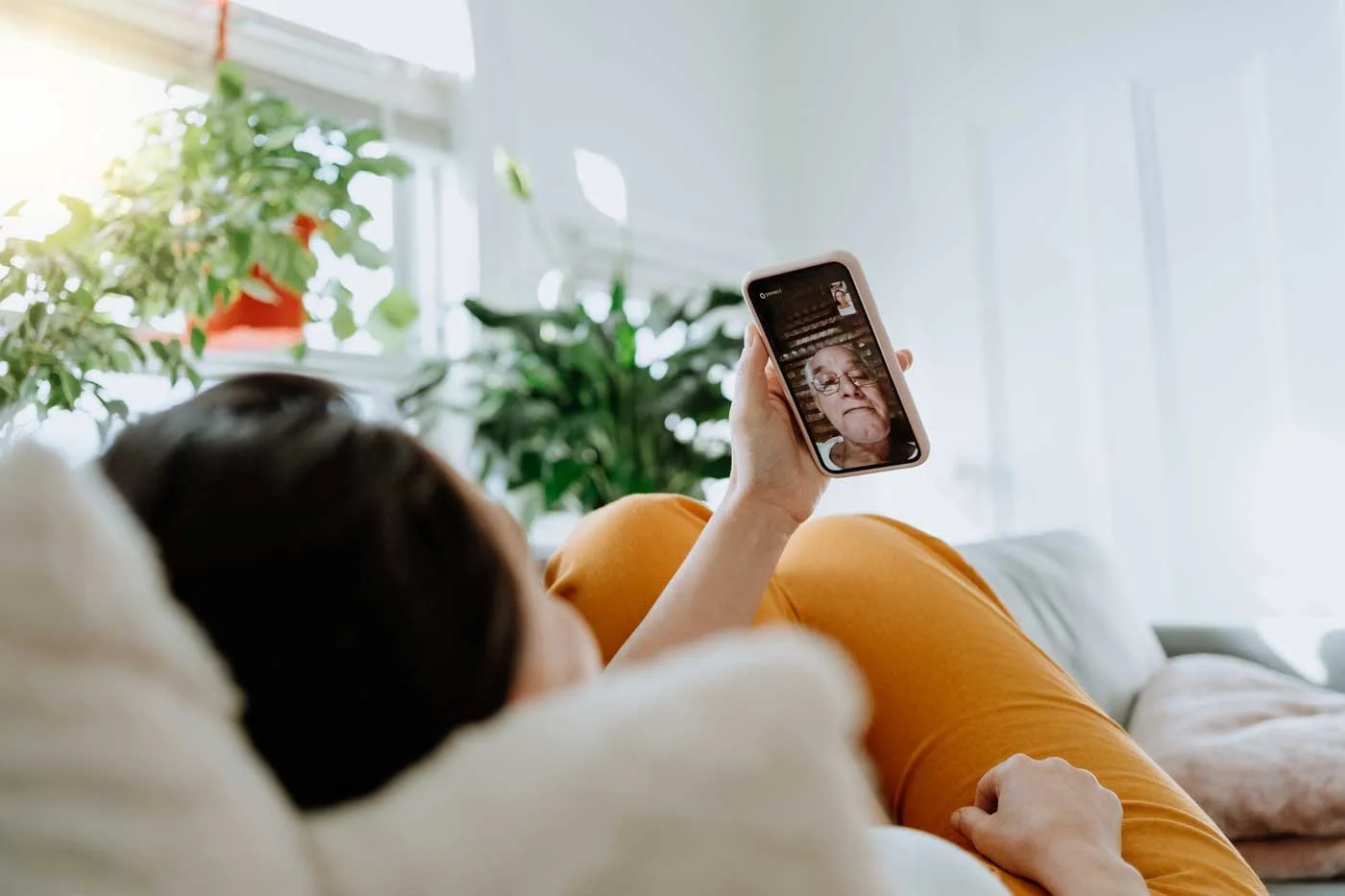
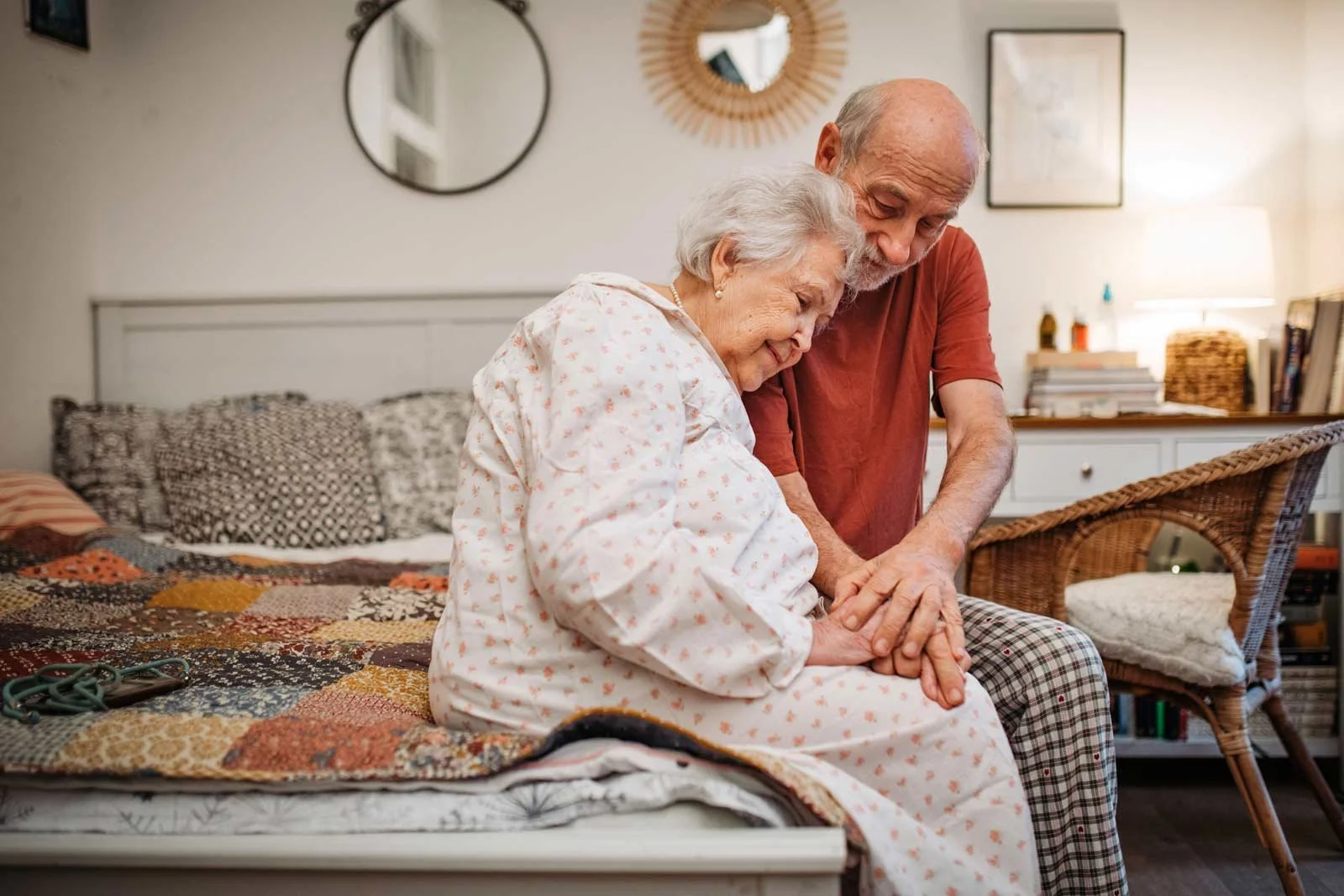
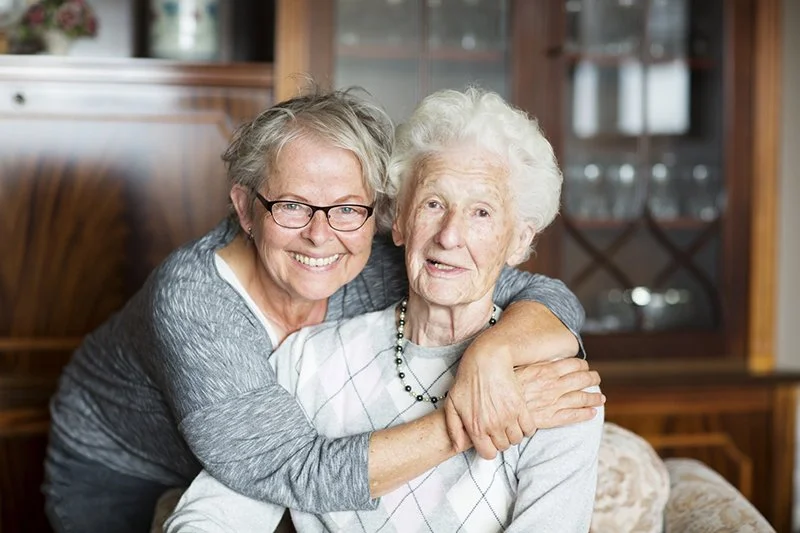
As populations age and more people live longer at home, the conditions required for safe, dignified and sustainable everyday living become increasingly important. We explore how ageing in place can be supported not only as a service or housing question, but as a broader social, relational and practical challenge.
-
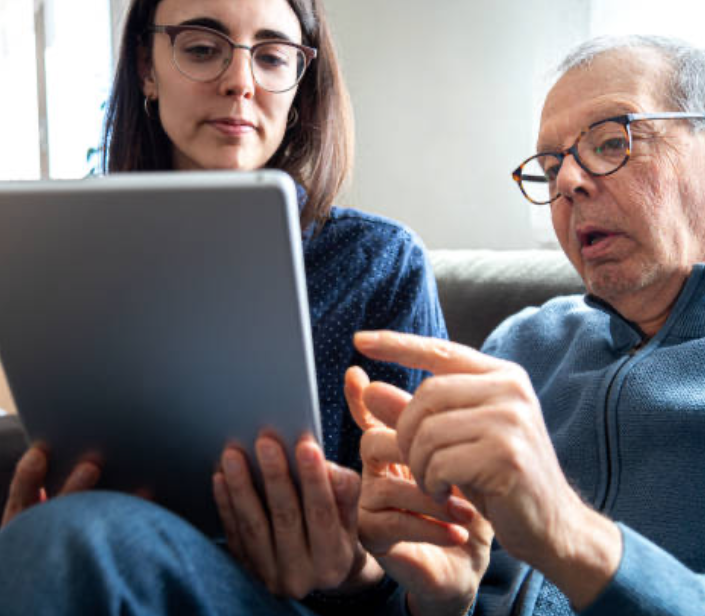
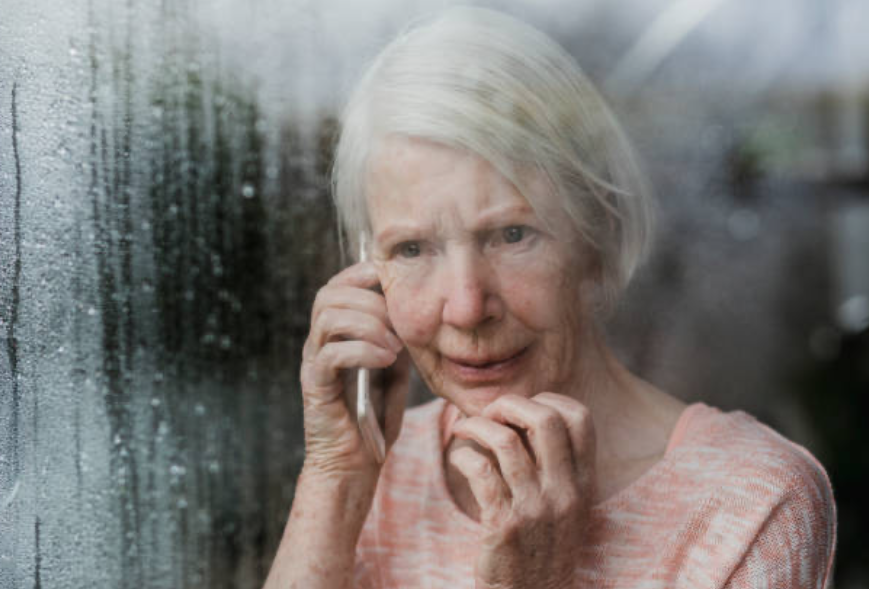
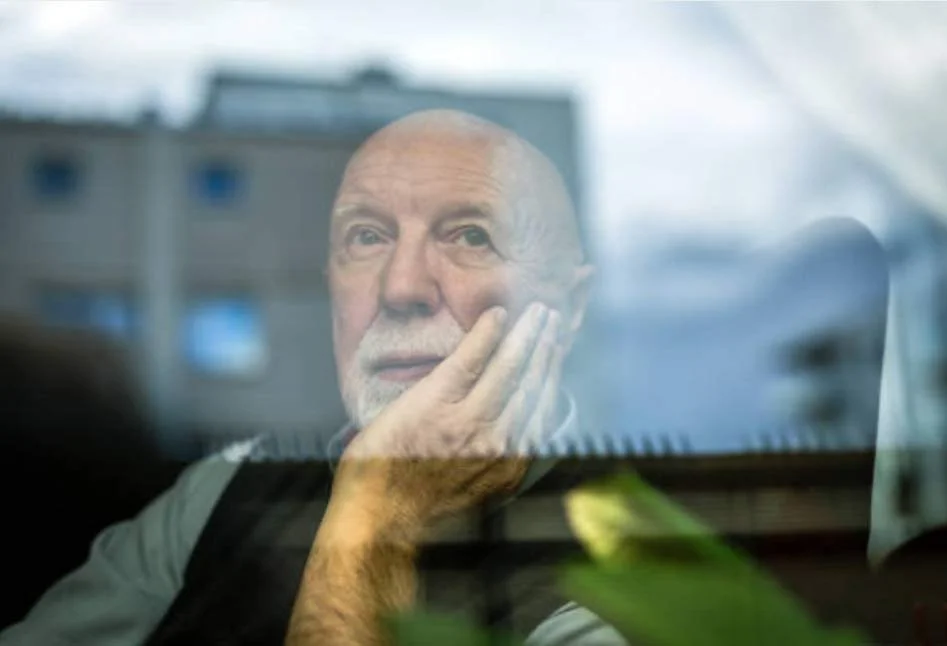
Loneliness is increasingly recognised as a significant social and public health issue, but it is not reducible to physical isolation alone. It may also involve diminished social rhythm, weakened belonging, reduced confidence or the gradual loss of meaningful contact. We explore how connection can be strengthened in ways that are simple, dignified and rooted in everyday life.
-
Many contemporary systems are designed around efficiency, structure and administrative logic, yet do not always reflect the complexity of lived human experience. We are interested in the relationship between systems and the people expected to move within them, particularly where trust, behaviour, emotional reality and practical life are insufficiently accounted for.
-
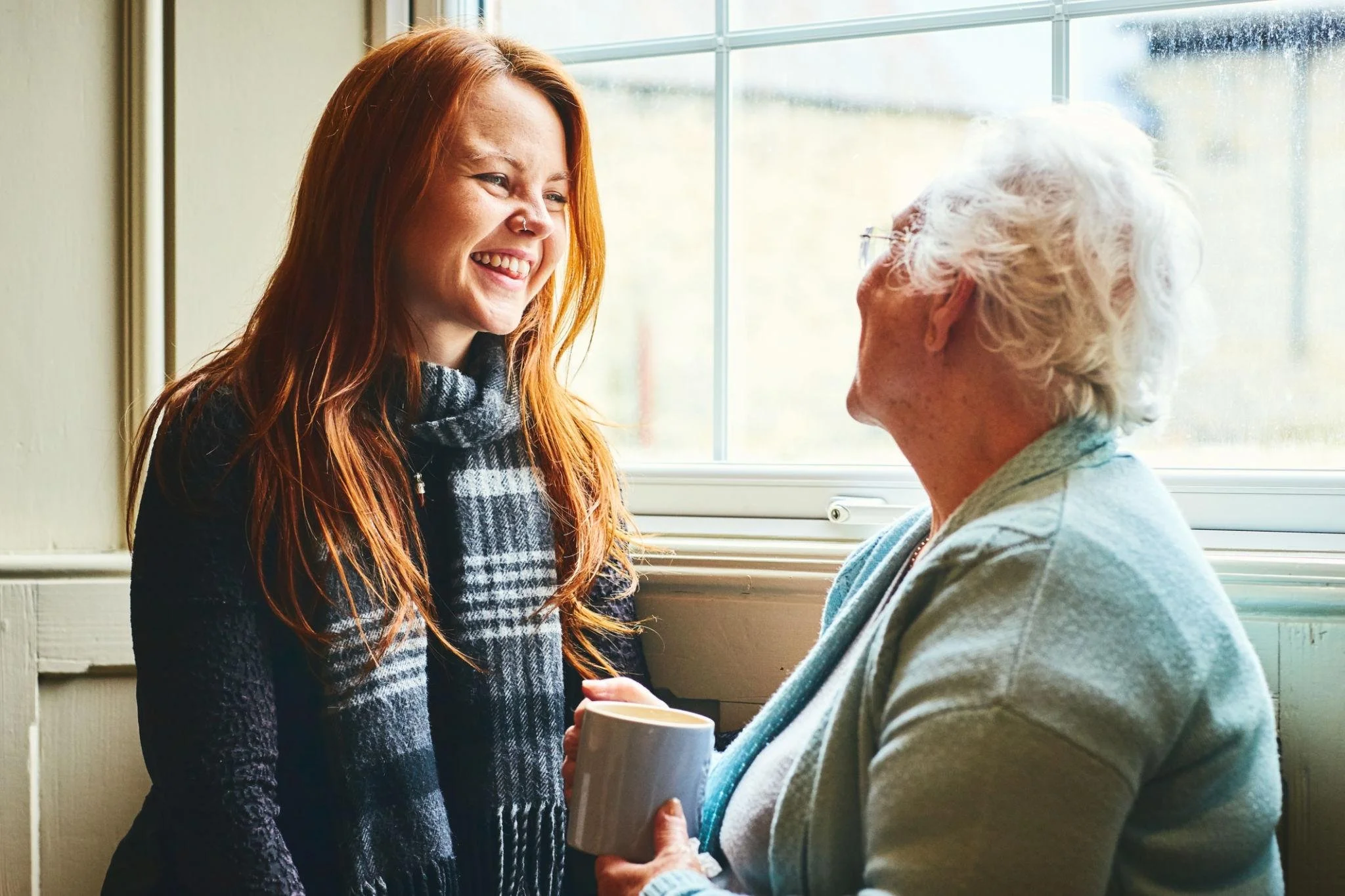
A considerable amount of social support takes place outside formal institutions, through neighbours, volunteers, families, local groups and informal networks of care. We explore how these forms of community participation can be better understood, valued and supported as part of a more resilient social fabric.
-
Questions of social wellbeing, collective resilience and environmental sustainability are increasingly interconnected. We explore ideas that contribute to longer-term, more responsible ways of living together, particularly where social innovation, public need and future-oriented thinking intersect.
How we work. A precursor to Design Thinking.
WAOW's approach is designed to complement established Design Thinking methodologies by focusing on what comes before.
Rather than beginning with a defined problem, we begin by asking whether we're solving the right one. Through observation, exploration and challenge framing, our model will help create a stronger foundation for the design process that follows.
-
We begin by observing everyday life without assuming the challenge has already been defined.
-
We gather perspectives through research, reading, conversation and real-world observation to understand what is actually happening.
-
Patterns begin to emerge. We identify the underlying factors shaping people's experiences and the wider system around them.
-
We challenge assumptions, test prevailing thinking and ask whether the original challenge has been framed in the right way.
-
The outcome is a clearly framed challenge, ready to enter established design methodologies such as the Design Council's Double Diamond.
Background.
WEAREONEWORLD grew from more than three decades of working across communication, strategic design and innovation. During that time one observation became increasingly clear; Many of society's emerging challenges first appear in everyday life, long before they become recognised as problems to solve.
ONEWORLD was founded to explore those emerging spaces through observation, writing, conversation and practical demonstration.
Today that exploration continues through research, published perspectives, conceptual presentations and practical demonstrations.